
Varicose Veins
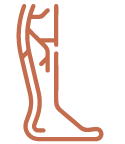
Varicose veins are twisted, enlarged veins that appear beneath the surface of the skin. They commonly develop in the legs and ankles.
Normally, the one-way valves in these veins keep the blood flowing in one direction against gravity. However, when these valves in the veins are faulty, or when the vein walls weaken, varicose veins may develop. This causes blood to pool and pressure to build up, weakening the veins and causing them to get engorged and twisted.
Most women often feel no discomfort, but are concerned about the appearance of these veins on their legs. Fairly visible, they appear dark blue, swollen and twisted through the skin. You may experience tiredness, discomfort, swelling and pain in your leg, which may worsen after standing or sitting for long periods of time. Varicose veins can lead to the darkening of skin, dry and thickened skin. In severe cases, swelling of the veins causing sores or bleeding may be possible.
Varicose veins are common and usually will not cause serious medical problem. Often inherited in the family, varicose veins are more common in women, though they can also occur in men. Aging and hormonal changes, such as through oral contraceptive or hormone replacement therapy contribute to the appearance of varicose veins. Similarly, it can cause an increase pressure on the leg veins, from conditions such as pregnancy, obesity or having an occupation that requires standing for long periods of time.
Mild varicose veins may not be a medical concern for you. However, if you are expecting symptoms that affect your daily activities, or are concern about the appearance of these veins, you should reach out to your doctor to understand more about your condition. A diagnosis can be performed by your doctor with a simple examination using a blood pressure cuff or an ultrasound. Early recognition can reduce the risk of complications arising from varicose veins.

Based on the advice of your doctor, the treatment of varicose veins aims to reduce symptoms and prevent long-term complications to the veins of your legs. Treatment may involve the use of laser or radiofrequency on your skin, or in serious cases, surgery to the veins.
Alternatively, your doctor may also suggest non-surgical techniques such as leg exercises, wearing of compression stockings, or the application of topical formulations that help in reducing the appearance of these veins and to reduce the symptoms that you are experiencing. EstaVein gel helps in restoring the elegance of your legs.
Speak to a doctor to learn more about the varicose veins management options available for you, or click below to find out more about how EstaVein gel can help you.



 Intimate area itch & discomfort

 Saggy Skin
 Haemorrhoids
 Varicose Veins
 Menopausal